About the Association

Advancing Montana Highway Infrastructure

We connect public agencies, engineering professionals, and heavy civil contractors to build safe, durable transportation links across the state.

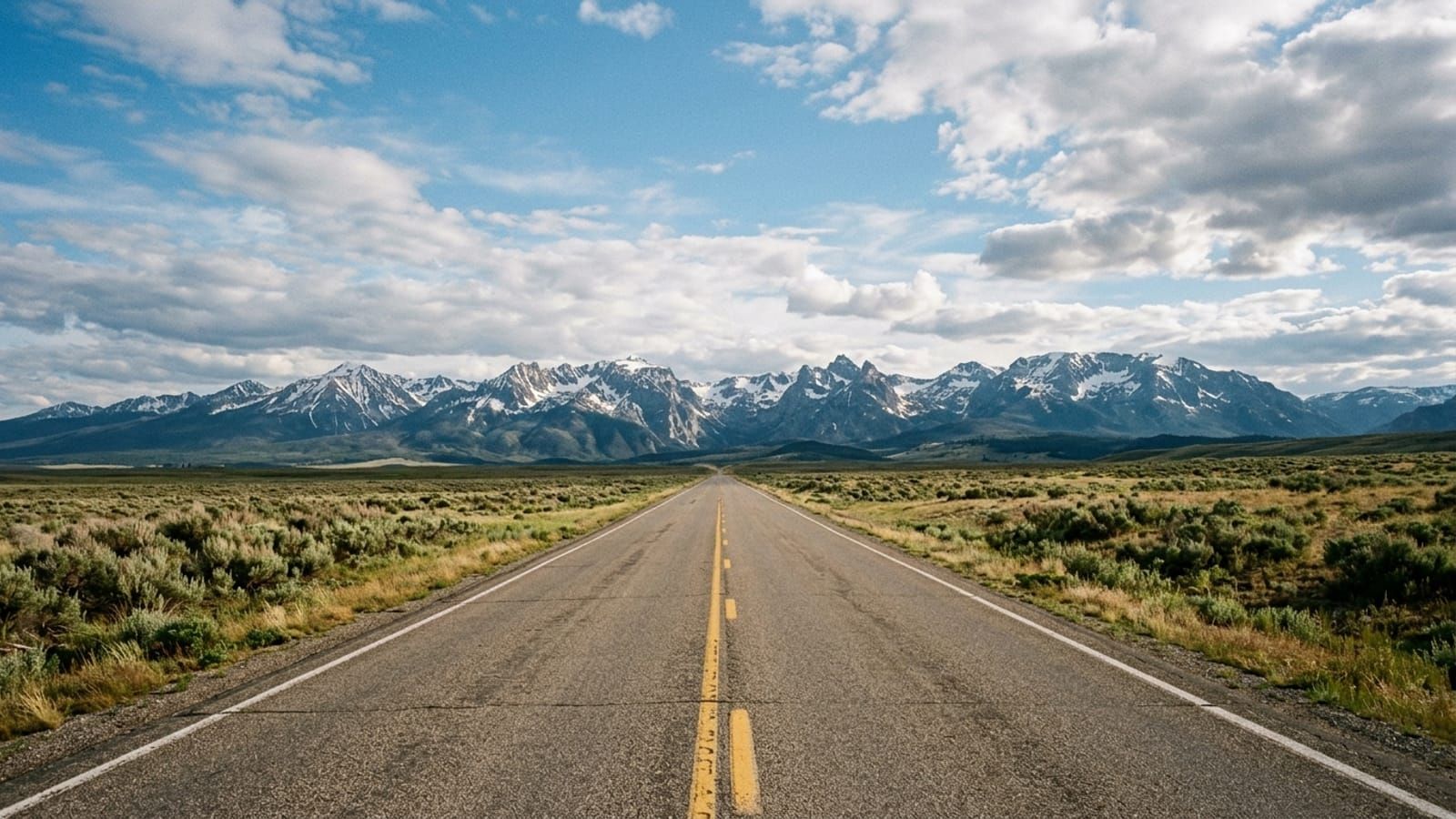
Mountain highway pass overlooking Big Sky
Bridger Range corridor highway
Our Context & Purpose

Built for Northern Climate Realities

The Big Sky Road Association was established to address the unique challenges of constructing and maintaining highway networks across Montana and the northern Rockies. With more than twenty-four thousand lane miles of state-administered highway connecting agricultural valleys, timber regions, and mountain passes, transportation is the physical backbone of our economy. Montana's rural character means that residents, emergency medical services, and school buses routinely travel substantial distances between regional hubs. Maintaining dependable roads under these conditions demands dedicated collaboration between public agencies, general contractors, consulting engineers, and materials producers who understand the demanding physical realities of our geography.

Montana's climate presents some of the most punishing operating conditions in North America. Winter storms bring sub-zero cold, blowing snow, and high winds across exposed plains and mountain passes, followed by rapid spring freeze-thaw cycles that stress asphalt pavements and bridge decks. Water penetration and repeated temperature fluctuations can quickly turn minor roadway fissures into major structural failures if materials and construction methods are not tailored to northern conditions. The association brings together field practitioners and materials scientists to share proven specifications for polymer-modified asphalt, durable concrete bridge overlays, and proactive drainage design that extend asset life and reduce costly emergency repairs.

Corridor safety requires continuous attention as travel patterns evolve across the state. Montana highways carry heavy commercial freight linking agricultural producers and regional distribution centers with Pacific Northwest ports and Midwestern markets. Simultaneously, our corridors accommodate major seasonal tourism traffic, with millions of annual visitors traveling through gateway communities to Yellowstone and Glacier National Parks. Two-lane roads through river canyons and mountain gaps frequently see passenger vehicles sharing narrow lanes with oversize agricultural equipment and commercial semi-trucks. In response, our safety initiatives emphasize practical countermeasures: wide paved shoulders, rumble strips, clear sightlines, dedicated turnouts for slow vehicles, and data-driven roadway departure prevention programs.

Preserving Montana's natural heritage requires highway development to coexist responsibly with native wildlife populations. Large mammals including elk, deer, moose, and grizzly bears regularly cross interstate corridors and two-lane highways during seasonal migrations, creating acute collision risks for motorists. Through structured knowledge sharing and field reviews, our working groups examine engineered crossing structures, wildlife-exclusion fencing, and automated animal detection systems. By studying completed installations along routes such as US-93, we help contractors and transportation agencies understand best practices for long-term fence maintenance, wing-gate durability, and drainage design, ensuring structural investments protect drivers and wildlife for decades to come.

Looking ahead, the association serves as a focused convener for the heavy civil construction sector. Federal infrastructure apportionments, intelligent transportation technologies, and workforce development initiatives are reshaping how projects are planned and delivered. By sponsoring technical committees, hosting regional problem-solving roundtables, and creating registered apprenticeship opportunities for high school and tribal college graduates, we ensure Montana retains the skilled workforce and technical capacity required to build resilient transportation networks. Together, our members work to ensure that every public transportation dollar delivers safer roads and stronger communities across Big Sky Country.

Our association was created on the conviction that infrastructure challenges cannot be solved in isolation. When state DOT district administrators sit down with local paving superintendents, equipment operators, and sensor specialists, real-world obstacles become practical engineering solutions. We bridge the gap between policy objectives formulated in Helena and the day-to-day realities of gravel extraction, cold-weather pouring, and mountain pass plowing. By fostering transparency and open communication among all stakeholders, we help eliminate delays, improve project delivery timelines, and ensure highway investments withstand decades of heavy seasonal use.

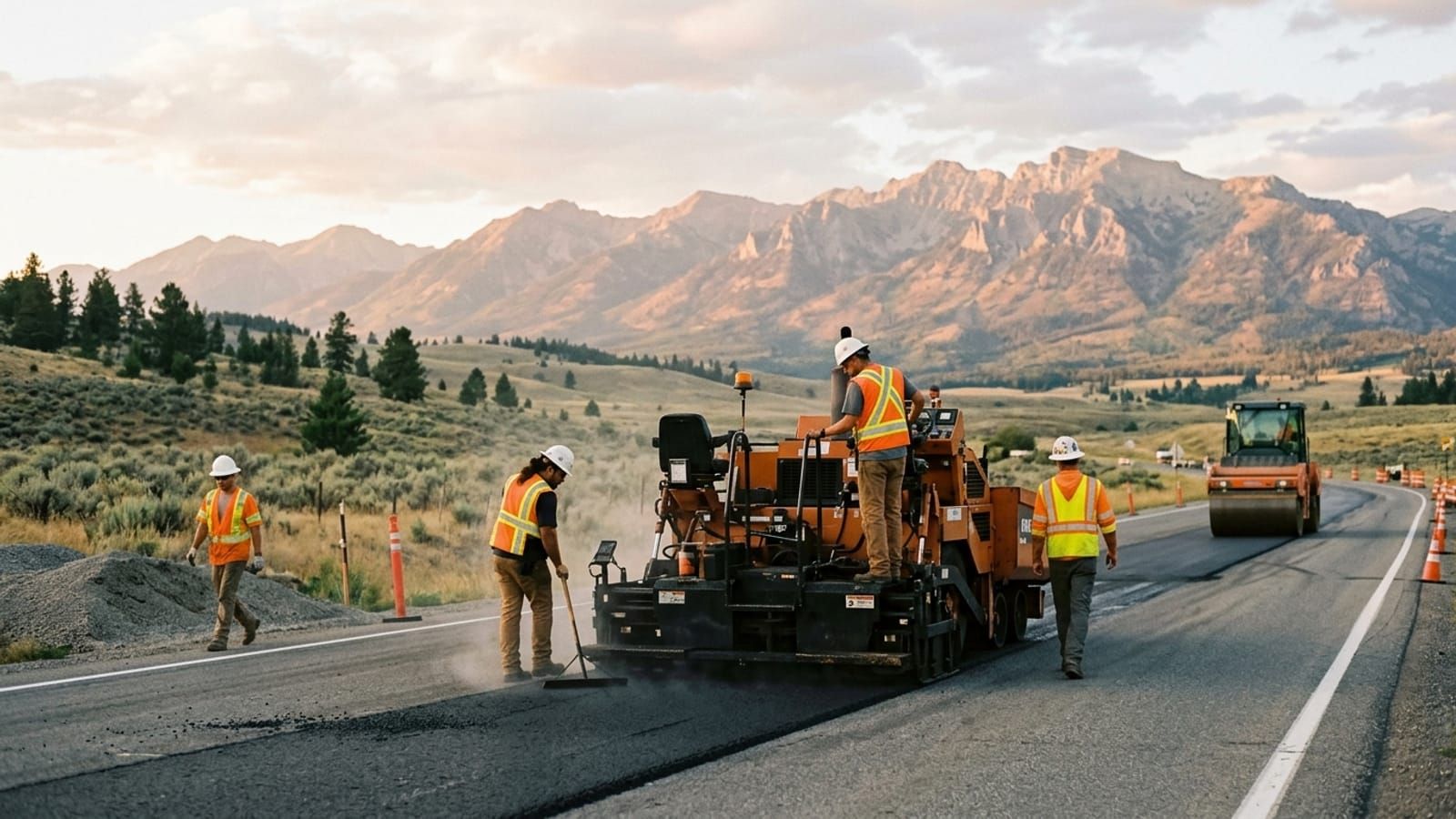
Mountain peaks above Montana highway
Our Vision

Modern and Resilient Highways

A stronger, safer, and more connected America powered by modern and resilient highway infrastructure.

  • Modernized rural road corridors with intelligent sensing and rapid winter alerts.
  • Bridges and structures engineered for severe freeze-thaw cycles and seasonal runoff.
  • A united transportation sector delivering lasting public value on every mile.
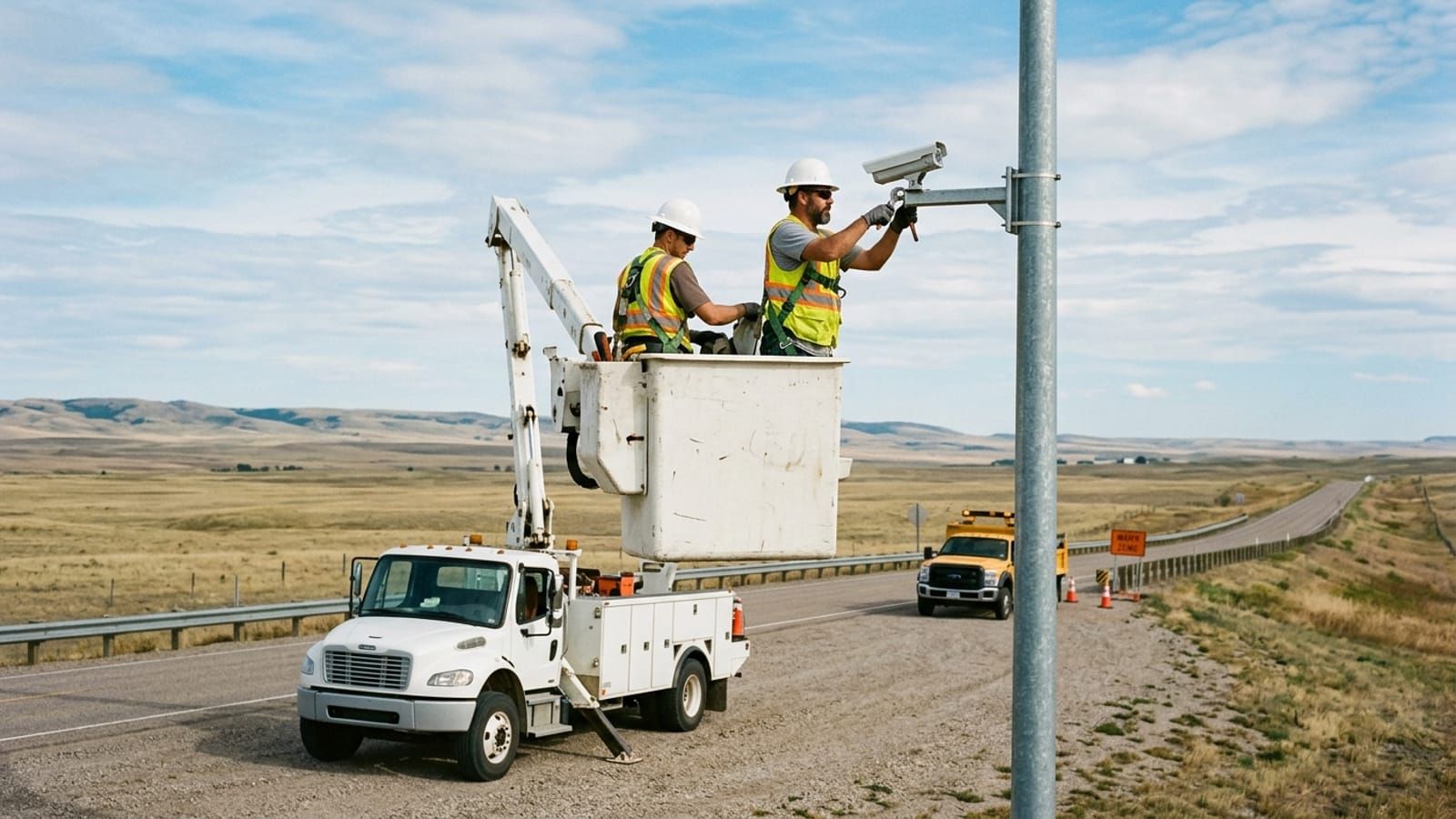
Technicians on roadside infrastructure
Our Mission

Convening the Transportation Ecosystem

To bring together stakeholders across the transportation ecosystem, promote collaboration and knowledge sharing, and support initiatives that improve highway safety, mobility, infrastructure performance, and long-term economic development.

  • Convening public DOT engineers, county road supervisors, and private contractors.
  • Championing proven roadway departure and work zone safety countermeasures.
  • Fostering technological adoption that improves travel reliability for rural communities.
Guiding Principles

What We Stand For

Four core commitments direct our advocacy, committee work, and technical programs.

01

Safety first

MUTCD & ATSSA Standard · 14:1 Benefit Ratio

Every worker returns home safely, and every rural traveler reaches their destination without harm. Montana requires all flaggers to carry ATSSA or equivalent certification. Rumble strip installations deliver benefit-to-cost ratios exceeding 14:1, reducing run-off-road fatalities by 36% on rural two-lane highways.

Vision Zero Initiative · MCA Title 60
03

Stewardship of public dollars

Quarterly Audit · 100% Accountable

Transportation investments must be transparent, fiscally sound, and engineered for maximum service life. We track quarterly MDT bid lettings, municipal bonds, and regional infrastructure capital budgets to ensure every public dollar delivers measurable results.

Montana Highway Trust Fund Oversight
02

Shared expertise

56 Counties · Tri-Partite Roundtables

The best solutions emerge when field contractors, consulting engineers, and state agencies solve problems collaboratively. Our regional roundtables connect local maintenance supervisors with resident contractor representatives to address district-level challenges across Montana.

Field Operations & Liaison Directory
04

Resilience for the long haul

Sub-Zero Tolerant · 50-Year Subgrade

Designs must endure sub-zero temperatures, intense freeze-thaw cycles, and heavy agricultural freight. Our working groups share proven specifications for polymer-modified asphalt, durable concrete overlays, and proactive drainage design that extend asset life across harsh northern climates.

AASHTO / MT-DOT T-283 Cold-Mix Standards
Association Milestones

Fourteen Years of Highway Leadership

From our founding in Bozeman to statewide corridor pilots, see how our coalition has expanded.

01MP 0.0
2012

Founded in Bozeman

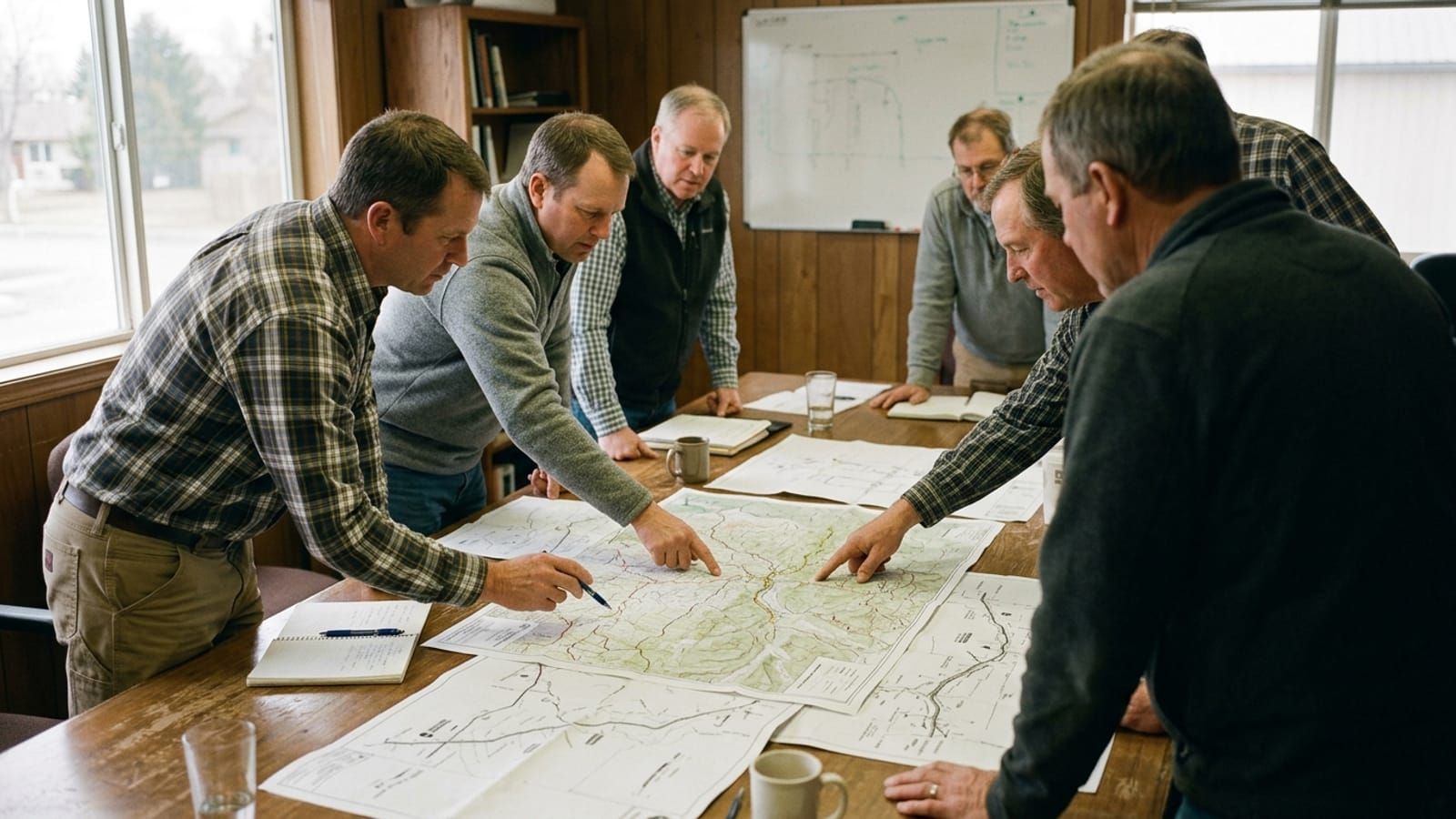
Founding meeting in Bozeman

Civil contractors, consulting engineers, and regional suppliers form the Big Sky Road Association to advocate for stable highway funding across Montana.

02MP 3.0
2015

First Montana Highway Safety Forum

Convened in Helena with state highway patrols and maintenance superintendents to establish zero-fatality work zone standards.

03MP 6.0
2018

Work Zone Safety Center Launched

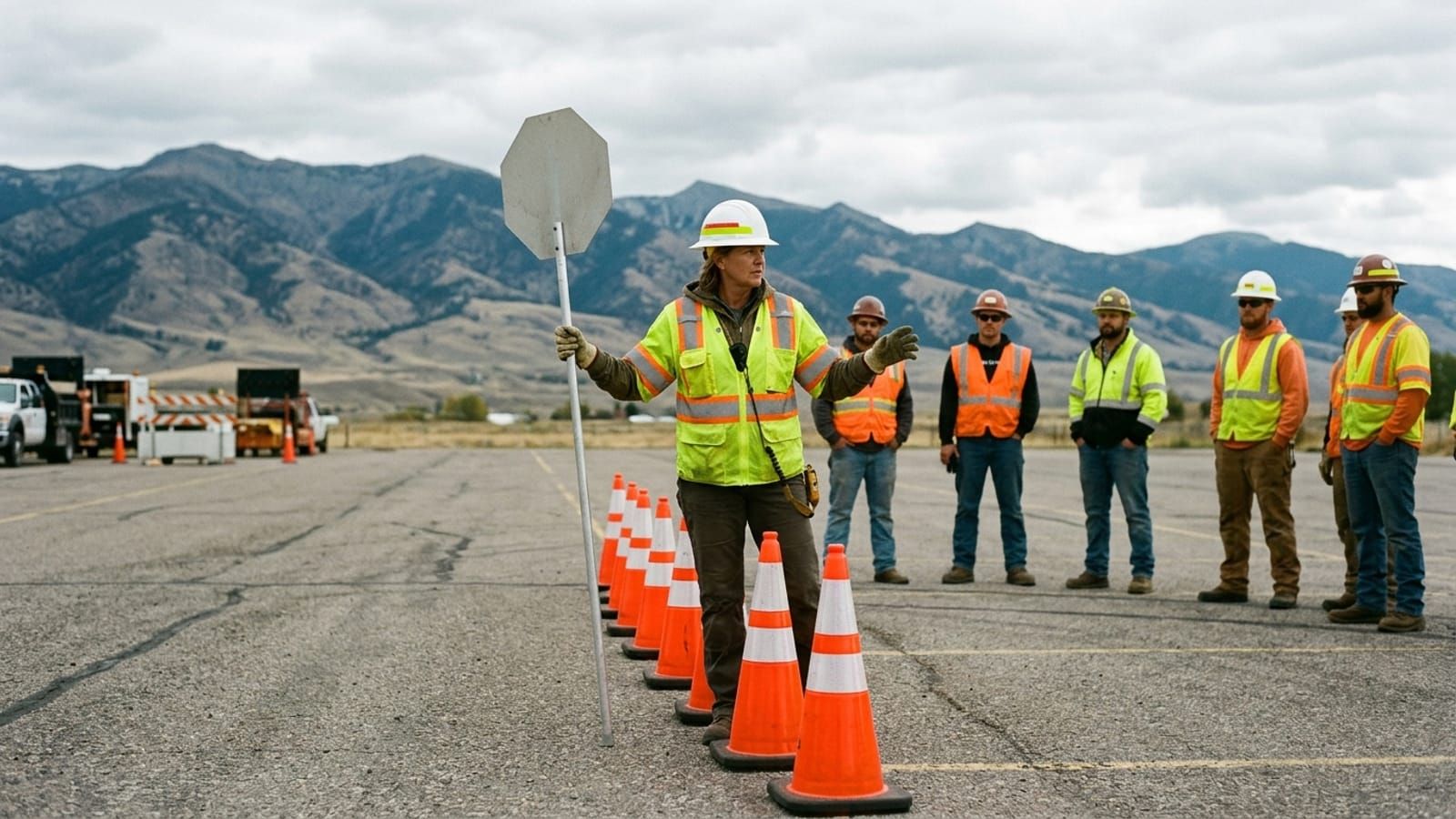
Field safety certification session

Began offering state-accredited flagger and supervisor training programs, directly certifying hundreds of highway field workers.

04MP 9.0
2021

ITS & Innovation Committee Formed

Established a dedicated standing committee focused on rural highway sensing, automated weather alerts, and connected infrastructure.

05MP 12.0
2024

Montana Highway ITS Partnership

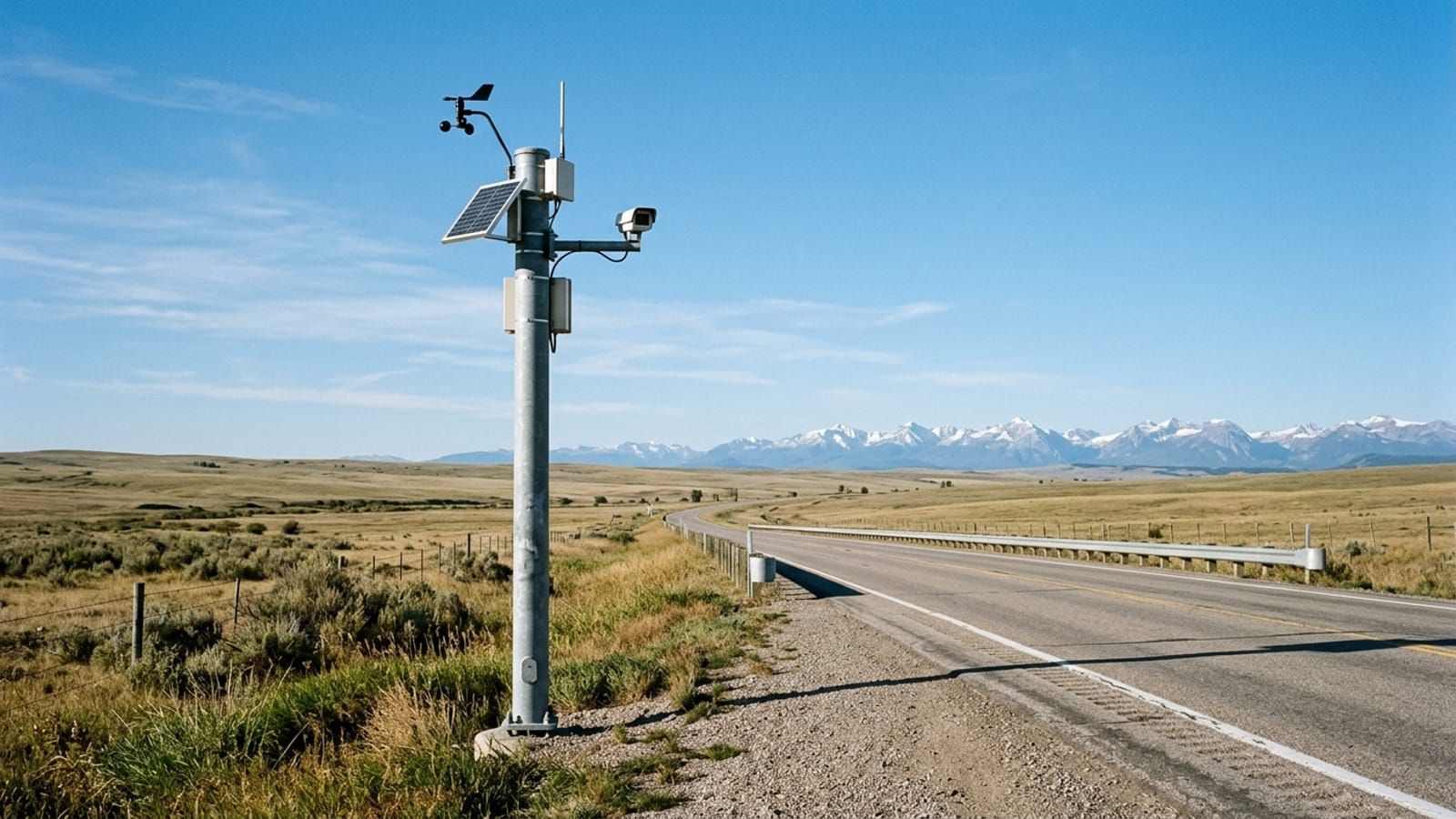
Corridor sensing deployment

Partnered on the MT-200 and MT-201 pilot deployments to install solar-powered RWIS and dynamic roadside traveler information systems.

06MP 14.0
2026

Rural Corridors Resilience Agenda

Published the association strategic framework targeting freeze-thaw durability, freight flow preservation, and mountain pass safety.

Leadership Team

Dedicated to Transportation Progress

Meet the directors and technical committee leads guiding association initiatives.

Dana Whitcomb

Dana Whitcomb

Executive Director

Leads association operations, state legislative relations, and industry partnerships. Former transportation policy advisor with two decades in public works advocacy.

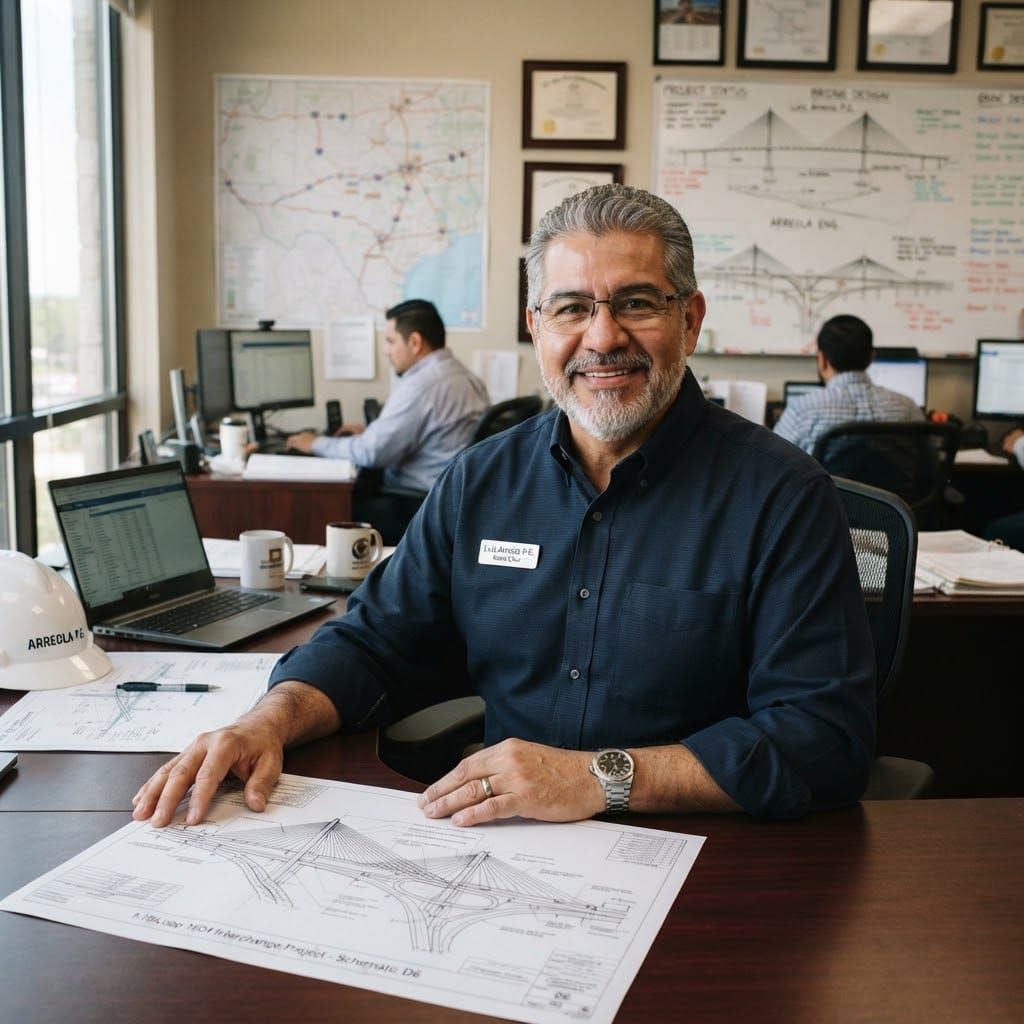
Luis Arreola, P.E.

Luis Arreola, P.E.

Board Chair

Principal highway design engineer overseeing heavy civil projects across Montana. Specializes in mountainous highway geometrics and bridge rehabilitation.

Megan Two Feathers

Megan Two Feathers

Director of Safety Programs

Directs ATSSA-accredited work zone training, contractor field audits, and rural highway safety initiatives across Montana tribal and municipal jurisdictions.

Karl Jensen

Karl Jensen

ITS Committee Lead

Systems integration specialist focusing on roadside sensor telemetry, road weather information stations, and connected vehicle infrastructure.

Get involved with the association

Whether joining a technical working group or attending a regional roundtable, your expertise strengthens our industry.

2038 Stadium Dr, Bozeman, MT 59715

503-421-8333